
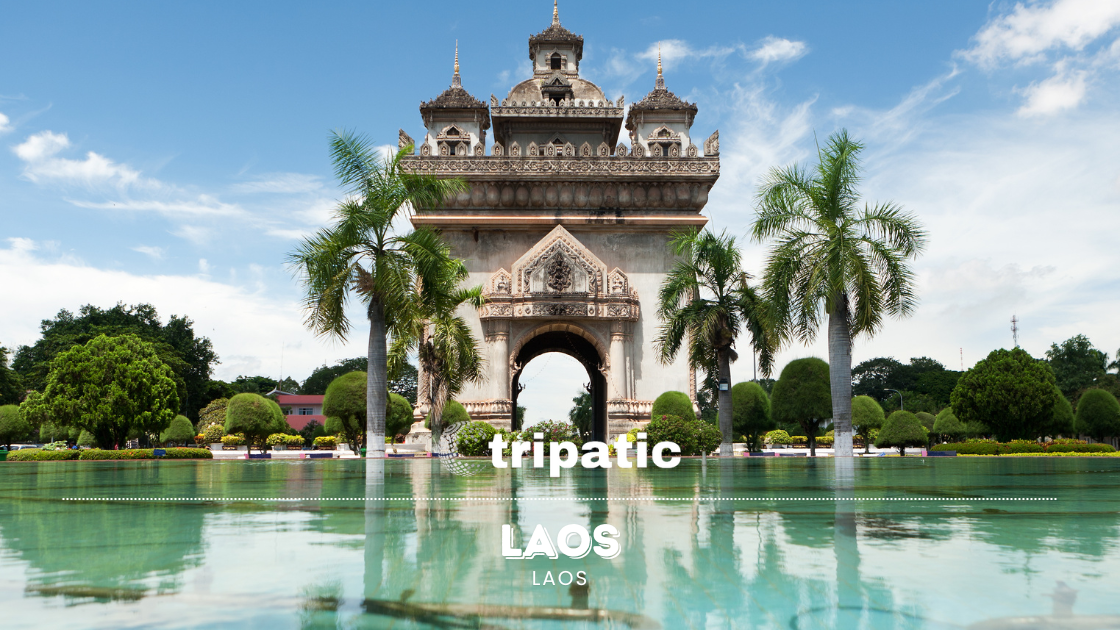
Overview of Laos: The Land of a Million Elephants
Welcome to Laos, a place where time seems to slow down. Nestled between its more boisterous neighbors, Thailand and Vietnam, Laos often gets overlooked. But that’s like skipping dessert; you’ll miss something sweet if you do. This country can be a bit like an unread novel you spot on a dusty shelf – unassuming on the surface, but brimming with stories once you crack it open.
Imagine strolling along the Mekong River at twilight, the sun casting an orange hue over the waters. Monks in saffron robes tread silently beside you, perhaps on their way to one of the ancient temples that dot the landscape. It feels like you’ve stepped into a scene from a different era, doesn’t it? That’s the magic of Laos. You won’t find neon lights or bustling hubs here; instead, the nation offers tranquility, history, and a glimpse into a way of life that’s largely unchanged for centuries.
If you were to zoom out on a map, Laos might look like a landlocked smudge in Southeast Asia, but zoom in and you’ll discover a rich tapestry of cultures and landscapes. From the mist-shrouded mountains in the north to the vast plains and waterfalls in the south, it’s a country that rewards the curious traveler. You might even say it’s like a hidden gem, waiting to be unearthed by those willing to wander off the beaten path.
And speaking of wandering, Laos is a place where the journey itself becomes the destination. Slow boat rides, hikes through verdant forests, and encounters with friendly locals give you an experience that’s less about ticking off tourist hotspots and more about the joy of discovery itself. It’s as though the place gently nudges you to put down your itinerary and simply be present.
Perhaps you’re asking, why Laos? Well, think about when you last went to a party. Everyone flocks to the loud, flashy person with all the stories, but then there’s that quiet guest in the corner. They might not say much, but when they do, it’s profound and unforgettable. Laos is a bit like that guest, unassuming yet deep. Ready to hear its story?
History and Significance
Ah, Laos! The land of serene beauty and pent-up tales.
Imagine yourself stepping into a time machine. Alright, you’re in Laos, circa 14th century. This was when the Lan Xang Kingdom, or the “Land of a Million Elephants,” came into being. Thousands of elephants roamed freely, symbolizing the nation’s strength. A tale that’s not only enchanting but signifies power, don’t you think?
When we talk about history, it isn’t merely reciting dates and events. It’s like peeling an onion—layer by layer, you discover something new, sometimes tear-jerking, always piquant.
Fast forward to the 19th century. We have the French swooping in, coffee cups in hand, and colonial dreams in their heads. Laos became part of French Indochina. Here come the baguettes, but also a blend of cultural textures. Picture French architecture brushing shoulders with Laotian wooden huts. Colorful, right?
Here’s where stories creep into curiously interesting territories. The U.S. dropped more bombs on Laos during the Vietnam War than it did on Germany and Japan combined in World War II. Let that sink in. Laos wasn’t even officially part of the war but became the world’s most bombed country per capita. This fact adds a layer of poignancy to any visit. Imagine standing on a landscape that survived this unimaginable ordeal.
But the history isn’t all solemn. Ever heard of the Plain of Jars? Massive stone jars scattered across the land, predating history books, with one legend saying they were used to brew celebratory rice wine for a victory feast. Makes you wonder if ancient Laotians were the original party planners.
Then came the communist revolution in the ’70s. Laos became a labyrinth of whispered politics and societal shifts. Navigating this aspect of history feels like reading a spy novel—full of intrigue and subdued drama.
All these historical snippets create a mosaic. Each piece contributes to Laos’ charm—an ancient kingdom, a colonial outpost, a war zone, and a nation reborn.
So, the next time you wander through a Laotian market or temple, remember the tales hidden in the stones. Every footstep resonates with the whispers of elephants, echoes of French accents, and a resilience forged in fire and rebirth. That’s Laos for you—a gem with a soul as deep as history itself.
What to See and Do in Laos
You’ve landed in a country wrapped in misty mountains, ornate temples, and the mesmerizing Mekong. What’s next? Here’s a curated list of the top 10 must-see destinations that promise memorable snapshots and stories.
Luang Prabang
Picture walking through a living museum. Luang Prabang is like stepping into another era with its stunning French colonial architecture mixed with golden-roofed temples. As the sun rises, witness the saffron-robed monks collecting alms—an experience that’ll linger with you long after you leave.
Vientiane
The capital poses a curious blend of sleepy town vibe and national pride. If you drift through its streets, you’ll stumble upon the Patuxai Victory Monument. Though it may remind you of Paris’s Arc de Triomphe, Vientiane’s own flair is unmistakable. Keep an eye out for the curious mix of traditional and modern everywhere you go.
Plain of Jars
Imagine a vast land dotted with giant stone jars, shrouded in mystery. Why are they there? Theories vary—from funerary urns to storage vessels. Exploring these megalithic archaeological wonders, you’ll feel the weight of history and the tantalizing whisper of unresolved questions.
Vang Vieng
If you’re an adventure-seeker but also adore picturesque landscapes, Vang Vieng is your playground. Beyond the adrenaline rush of kayaking and tubing, the town offers serene limestone karsts and mesmerizing caves. An aerial view, via hot air balloon, gives a whole new perspective to this stunning locale.
Pakse
Think of Pakse as the gateway to the natural splendor of southern Laos. It’s the ideal springboard to explore the Bolaven Plateau with its cool climate, coffee plantations, and towering waterfalls. Pakse allows you to slow down and enjoy the lush surroundings with a hot cup of locally grown java in hand.
Kuang Si Falls
Just outside of Luang Prabang, this multi-tiered waterfall is a symphony of blues. The vivid turquoise pools are perfect for a refreshing dip. If you’re feeling sprightly, a short hike to the top offers both an exhilarating trek and pristine views.
Wat Si Saket
Nestled in Vientiane, this temple stands out with its thousands of tiny Buddha statues. It’s one of the oldest surviving structures in the city, capturing the essence of Laos’s spiritual richness. Visiting here feels like stepping into a serene, sacred archive.
Bokeo Nature Reserve
How about experiencing a jungle from above? The Gibbon Experience in Bokeo offers treetop lodges and zip-lining amidst dense forest, blending thrilling adventure with wildlife conservation. You might even spot the black-crested gibbon in its natural habitat.
Si Phan Don
Translating to ‘Four Thousand Islands,’ this is Laos’s laid-back version of island life. Chill out in a hammock along the Mekong, go dolphin-spotting, or cycle through Don Det and Don Khon. The charm of the place lies in its easy-going essence and stunning sunsets.
Tham Kong Lo
This cave is the definition of hidden treasure. A river runs through it, offering an eerie, otherworldly boat ride stretching 7.5 kilometers into the limestone heart. Tales of spirits haunt the cave, adding a hint of the supernatural to your subterranean adventure.
Cities to Visit in Laos
Vientiane
Imagine a capital city that feels more like a sleepy riverside town. That’s Vientiane for you. Laotian capital is as laid-back as it gets. Picture French bakeries alongside gleaming Buddhist temples. Stroll down the Mekong River at sunset and grab a Beerlao at one of the many riverside eateries. Think of Vientiane as the gentle handshake that introduces you to Laos.
Luang Prabang
Luang Prabang is like stepping into a postcard. This city is a UNESCO World Heritage site, and rightly so. It blends golden-roofed temples with French colonial architecture. Kuang Si Falls is the crown jewel—cascading turquoise pools surrounded by thick jungle. Don’t miss the alms-giving ceremony at dawn. It’s a chance to see saffron-robed monks collecting offerings in a tradition that’s as old as time.
Pakse
Down in the south, Pakse is your gateway to the Bolaven Plateau. Ever heard of Tad Fane? Twin waterfalls that drop almost 400 feet. Scenery here is spectacular. Coffee plantations are a big deal too. A visit to Pakse isn’t complete without sipping some of the local brew. Better yet, make it an adventure by exploring the area on a rented motorbike.
Vang Vieng
Vang Vieng’s beauty is almost otherworldly. Think limestone karsts, the Nam Song River, and cave adventures. Want to tube down the river with a cold drink in hand? Vang Vieng made it famous. For the more adventurous, there’s rock climbing and zip-lining. It’s perfect for those who crave both relaxation and adrenaline.
Savannakhet
Savannakhet is often overlooked, but those who visit find it charming. Picture sleepy streets lined with decaying French villas, giving off a vintage vibe. The city’s Buddha Park is a quirky collection of statues and sculptures. It’s a great place to wander and let your imagination run wild. Try the street food here—grilled meats, sticky rice, and spicy papaya salad.
Tips for Visitors
Language Delights
Imagine you’re in a small village sipping on some Lao-Lao (that’s the local rice whiskey). The friendly locals welcome you with open arms, but their English might be a bit rusty. A smattering of Lao phrases can make a world of difference. Saying “sabaidee” (hello) and “khop chai” (thank you) works wonders. You’ll find smiles are a universal language, but a few local words? It’s like adding spice to a perfectly cooked dish.
Timing is Everything
In Laos, time flows differently. The concept of “Lao time” is as fluid as the Mekong River. Don’t be surprised if things start a little later than planned or if there’s no rush to wrap things up. Think of it as a break from the relentless march of the clock. It’s about sinking into the moment, so any hurry burry attitude you might have? Leave it at the border.
Dress Modestly
Let’s talk attire. Laos is a deeply spiritual country, sprinkled with golden temples and monastic serenity. Out of respect, dress modestly. Cover your shoulders and knees when visiting sacred sites. You’d not wear beach gear to a Sunday service back home, right? Same principle applies here. Plus, long clothes can double as protection from the tropical sun.
Bargaining Basics
Embrace the art of bargaining in any local market. It’s a dance as old as commerce itself. Start with a smile and a price that’s a bit less than you’re willing to pay. Then meet somewhere in the middle. It’s a respectful game of give and take. And here’s a tip from a seasoned traveler: always keep it friendly and light-hearted. After all, it’s about the journey, not just the cost.
Respect the Customs
In Laos, the head is sacred, and the feet are considered the lowest part of the body. Avoid touching someone’s head even if they’re adorably ruffling a child’s hair. And don’t point your feet at people or Buddha statues. If you’re sitting, tuck them underneath you. It’s these small gestures that go a long way in showing respect.
Cash is King
Credit cards? They can be finicky here. ATMs are plentiful in cities but can be scarce in rural areas. Keep some kip (the local currency) handy for small purchases and street food, which, by the way, is divine. Sticky rice with everything, right?
Slow Food Movement
Meals in Laos are more than sustenance; they’re an event. Take your time and enjoy the myriad flavors of Lao cuisine. From laap (a minced meat salad) to tam mak hoong (papaya salad), savor each bite. Meals are often social gatherings, so don’t rush. Sip, taste, chat. Repeat.
Smiles and Spirits
Don’t forget, the Lao people are some of the friendliest you’ll meet. Approach every interaction with goodwill. Smile often. Sometimes you’ll notice a quietness, a gentle surrender to the present moment. It’s infectious. Let yourself slow down and soak up the peaceful vibe.
When in Laos, forget any rigid itineraries. Let the journey unfold as unpredictably and beautifully as a river’s meander.
Local Customs and Etiquette
It’s funny how our habits can sneak up on us when we travel. What’s perfectly normal back home might raise eyebrows halfway across the globe. Laos is no exception. You’ll find it’s steeped in traditions that have been passed down through the ages. Understanding these can turn a simple “hello” into a warm welcome.
Greetings Matter: In Laos, greetings aren’t just words; they are small ceremonies. The traditional greeting is called the “nop”—press your palms together in a prayer-like gesture at chest level and slightly bow your head. The higher you place your hands, the more respect you show. When in doubt, pair your “nop” with a warm smile.
Respect for Elders: Respect isn’t just encouraged; it’s almost a currency. In Laos, elders are revered. Offering the first “nop” to an elder or stepping aside to let them pass can earn you brownie points. Think of it as a way to make a good first impression, only layered with cultural significance.
Monasteries and Temples: Walking into a Laotian temple is like stepping into another realm of tranquility, yet it calls for a different code of behavior. Modesty is key—cover your shoulders and knees, and always remove your shoes before entering. If you spot a monk (which you often will), never touch them. And, if you’re a woman, make sure not to hand anything directly; place it on a surface instead.
Body Language: Your body speaks in Laos, often louder than your words. Avoid touching someone’s head—it’s considered the most sacred part of the body. Likewise, don’t point with your feet. Imagine your feet as having a bad case of the flu—keep them away from people, religious items, and food.
Dining Etiquette: When it comes to food, Laos has its own set of unspoken rules. Sharing is the norm, so don’t be surprised if everyone digs into the same dish. Use your right hand for eating and passing food, and wait for the host to start before diving in. The concept of “jai yen” or “cool heart” is prevalent here; being patient and calm scores big.
Gift-Giving: A small token can go a long way. Gifts are often given to show appreciation, but they’re usually modest. Think fruit or sweets rather than overly fancy items. Present the gift with both hands and expect it may not be opened in your presence—it’s their way of preserving dignity.
Navigating these customs can feel a bit like learning a new dance. The moves might be unfamiliar at first, but with each step, you get a deeper sense of the culture. And trust me, the effort you put into understanding and respecting these practices will be noticed and appreciated more than you might expect.
Safety and Regulation in Laos
Traveling in Laos can feel like stepping back in time, but that nostalgia comes with some old-world challenges. This is especially true when it comes to safety and regulations, one of the most crucial aspects of any travel plan.
Picture a country where traffic lights are more of a suggestion than a rule. That’s Laos. The local style of road etiquette might boggle your mind if you’re used to more organized traffic systems. Picture trying to dodge an ox cart while swerving around a tuk-tuk loaded beyond capacity. It can feel less like driving and more like participating in a survival game.
One story springs to mind that illustrates the quirks of Laotian roads. An old friend of mine, Jess, once took a scooter ride through the scenic town of Luang Prabang. Feeling the wind against her face, she was caught in a blissful moment. Until she had to brake suddenly to avoid colliding with a buffalo crossing the road. Buffalos, it appears, have the right of way.
Beyond traffic, be cautious of the natural terrain. While adventuring through the breathtaking mountains or dense jungles, it’s easy to get lost. Make sure to always have a guide if you’re venturing off the beaten path. Once, I wandered a bit too far into the wilderness near Vang Vieng. What seemed like a straightforward path quickly turned into nature’s elaborate maze, complete with misleading trails and dense foliage. Trust me, having a local guide can save you hours of confusion and a good deal of worry.
Now, let’s talk about health. Laos isn’t exactly known for its stellar medical facilities. If something does go wrong, you might find yourself in a hospital that feels more like a clinic from decades past. A friend of mine once had a minor mishap involving a foot injury during a hike. The local medical treatment was basic but effective. The experience taught us both the value of carrying a well-stocked first-aid kit and having travel insurance.
Rules and regulations in Laos might not be enforced as stringently as in other parts of the world, but that doesn’t mean you can ignore them. Understand the local laws, especially those regarding visas and customs. Doing your homework can save you a lot of headaches. Take it from another friend, Alex, who learned the hard way about overstaying his visa. He had to pay a hefty fine—an avoidable toll if he’d just paid a bit more attention.
Laos is a place where the unexpected becomes the norm. From its rural charm to its laid-back laws, it invites you into a world where not everything happens by the book. Staying safe and respecting regulations isn’t just about following rules—it’s about tuning into a different rhythm of life.
Best Time to Visit Laos
Visiting Laos is like planning a rendezvous with a free-spirited artist. The timing is crucial, yet somewhat forgiving. Laos dances to its rhythm, and so should you.
The Dry Season (November to April)
Imagine waking up to clear skies and golden sunshine. This is the dry season in Laos. The air is relatively cool, especially between December and January, making it ideal for exploring the country’s rugged landscapes and serene temples. Think of it as Laos putting on its best attire, ready to impress.
I remember my first dry season visit. Each morning brought a promise of adventure—one day it was a trek through the karst mountains, the next, a boat ride along the Mekong. Wildlife is also more active, and those idyllic snapshots of slow-moving rivers framed by lush greenery are not just possible; they’re practically guaranteed.
The Rainy Season (May to October)
Now, don’t be too quick to write off the rainy season. It’s like a musician playing an unpredictable yet beautiful symphony. The rains can be heavy but often come in short, dramatic bursts. This is the time when the landscape transforms into a vivid green tapestry, with waterfalls roaring to life. The air is fresh, almost charged with electricity.
Once, during a rainy season, I found myself in Luang Prabang during a sudden shower. Instead of seeking shelter, the locals and I continued to stroll through the rain. Streets became rivers of laughter and chatter, punctuated by impromptu market stops. Don’t be surprised if your plans get rained on, literally and metaphorically. But that’s part of the charm—embracing the unexpected.
The Shoulder Months
If you want to catch Laos in a somewhat mellow mood, consider the shoulder months—October and November or May and June. The weather is a blend, not too hot and not too wet. It’s like finding that sweet spot on a seesaw.
One October, I discovered a hidden cave near Vang Vieng with barely another soul around. The weather had tipped from wet to dry, creating perfect conditions for exploration without the hustle and bustle.
Festivals Galore
Another thing to consider—festivals. Laos has a knack for turning everyday life into a celebration. The Pi Mai (Lao New Year) in April and the Boat Racing Festival in late August or early September are cultural feasts.
During Pi Mai, I was once caught in a playful water fight in Vientiane. Everyone—from grannies to toddlers—participated with gleeful abandon. You’ll forget the rest of the world exists as you’re immersed in blessed chaos. Similarly, the boat races are a spectacle of community spirit and adrenaline-pumping action. If your visit coincides with these events, you’ll find an added layer of soulful connections and cultural zest.
Common FAQ
What is the best time to visit Laos?
Deciding when to explore Laos can be tricky. Imagine a golden cup of steaming coffee—Laos is just like that during November to April. It’s their dry season with cooler temperatures, making it the perfect time for adventures. Avoid the monsoon season, which typically runs from May to October, unless you’re a fan of torrential rain and muddy paths.
Do I need a visa for Laos?
Yes, most travelers will need a visa. Luckily, getting one isn’t more difficult than piecing together a 100-piece puzzle. You can obtain a visa on arrival at major international airports and border checkpoints. Make sure your passport is valid for at least six months beyond your stay. And don’t forget to bring a couple of passport-sized photos.
What language is spoken in Laos?
Lao is the official language of Laos. It’s a tonal language, which can feel like reading music for the first time—confusing and delightful. English is spoken in major tourist areas, but picking up a few Lao phrases can open doors, literally and figuratively.
Is Laos safe for travelers?
Laos is generally a safe destination. It’s like that peaceful, sleepy town you always wanted to live in. However, it’s wise to keep an eye on your belongings in crowded places, just as you would anywhere else. Traffic can be unpredictable, so use caution when crossing streets or renting motorbikes.
What currency is used in Laos?
The official currency is the Lao Kip (LAK). It’s a bit like Monopoly money—colorful and slightly confusing at first. U.S. dollars and Thai Baht are also accepted in many places. ATMs are widely available, but it’s smart to carry some cash, especially in remote areas where card machines are few and far between.
What is the cuisine like in Laos?
Laos cuisine is vibrant and fresh, much like a summer picnic in a sun-dappled meadow. Sticky rice is a staple, often paired with spicy papaya salad (som tam) or grilled meats. Be adventurous and try Laap, a minced meat salad with herbs—it’s a local favorite. Street food stalls are everywhere, serving the heartiest noodle soups and the grandest of baguettes, a nod to the French colonial past.
What are some must-visit attractions in Laos?
Luang Prabang is like the crown jewel of Laos, with its ornate temples and the serene Mekong River. Don’t miss the Kuang Si Falls nearby—a series of breathtakingly turquoise waterfalls and pools. In Vientiane, visit the Patuxai—a triumphal arch resembling Paris’ Arc de Triomphe—and Pha That Luang, the golden stupa that epitomizes Lao culture. Venture down to the 4,000 Islands in the south for idyllic river life, where dolphins might just pop by to say hello.
How should I dress in Laos?
Think breathable, respectful, and practical. Laos is a conservative country, so modest clothing is appreciated, especially in temples. Pack light, breathable fabrics for the humid weather. And don’t forget comfortable shoes for all the exploring you’ll be doing.
Is tipping customary in Laos?
Tipping isn’t a tradition in Laos, but it’s appreciated. Imagine it as seasoning to a dish—not necessary but enhances the flavor. In fancier restaurants or for exceptional service, leaving a tip is seen as a kind gesture.
Can I use my mobile phone in Laos?
Yes, but be prepared for a mixed bag. International roaming works, but it’s costly. Buying a local SIM card is affordable and easy, giving you access to the internet throughout your journey. Just make sure your phone is unlocked before you make the switch.


